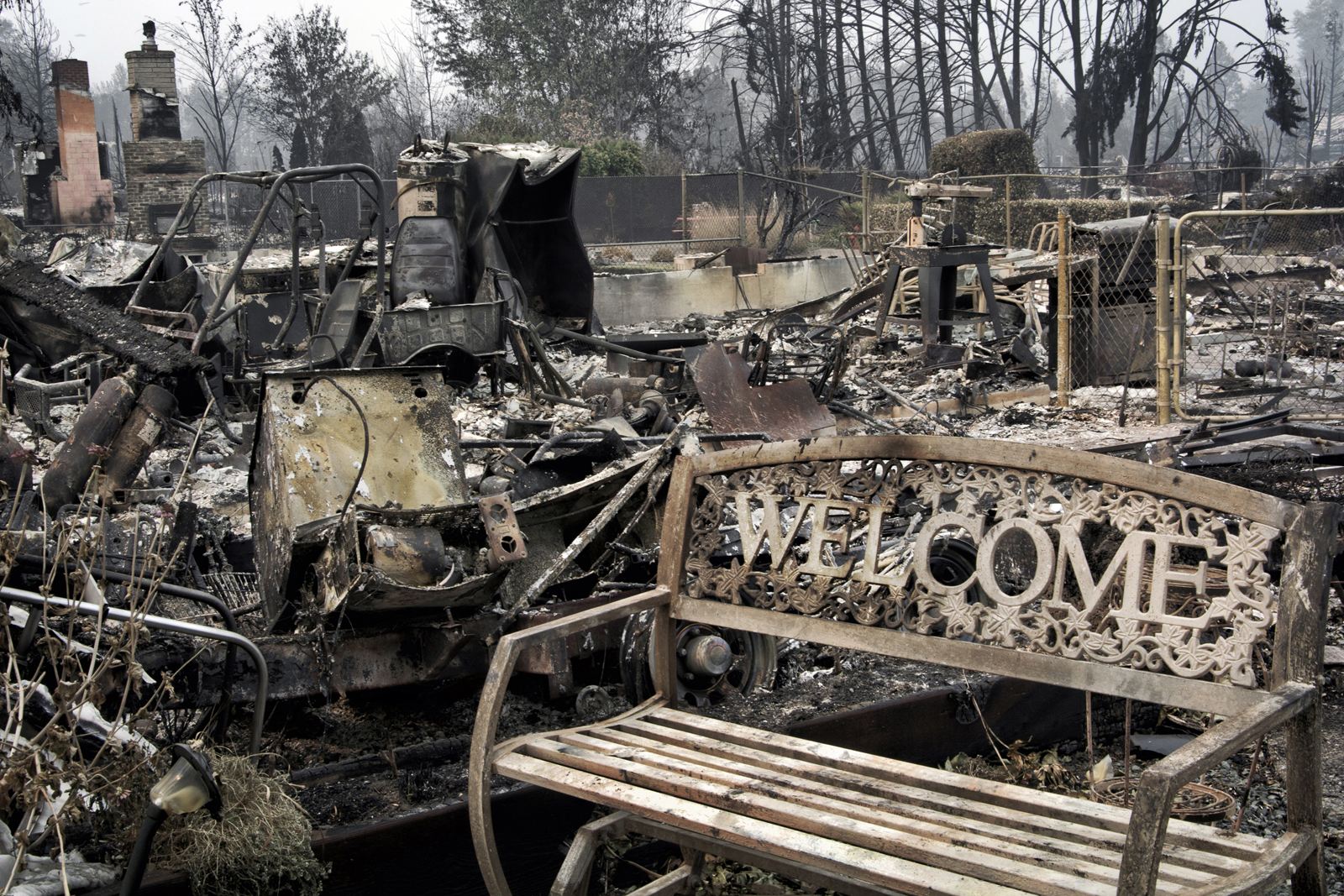
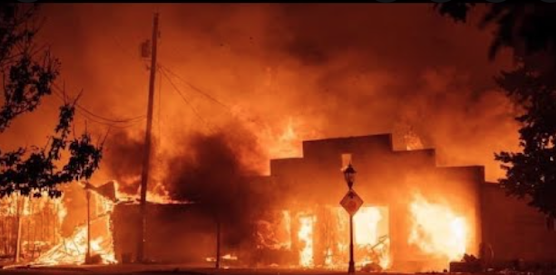
Sunday, September 11, 2022

The Story of Captain Matt Hilliker, Jackson County Fire District No. 5

 The Story of Captain Matt Hilliker, Jackson County Fire District No. 5

Interview by Debra Moon on 9/25/2022
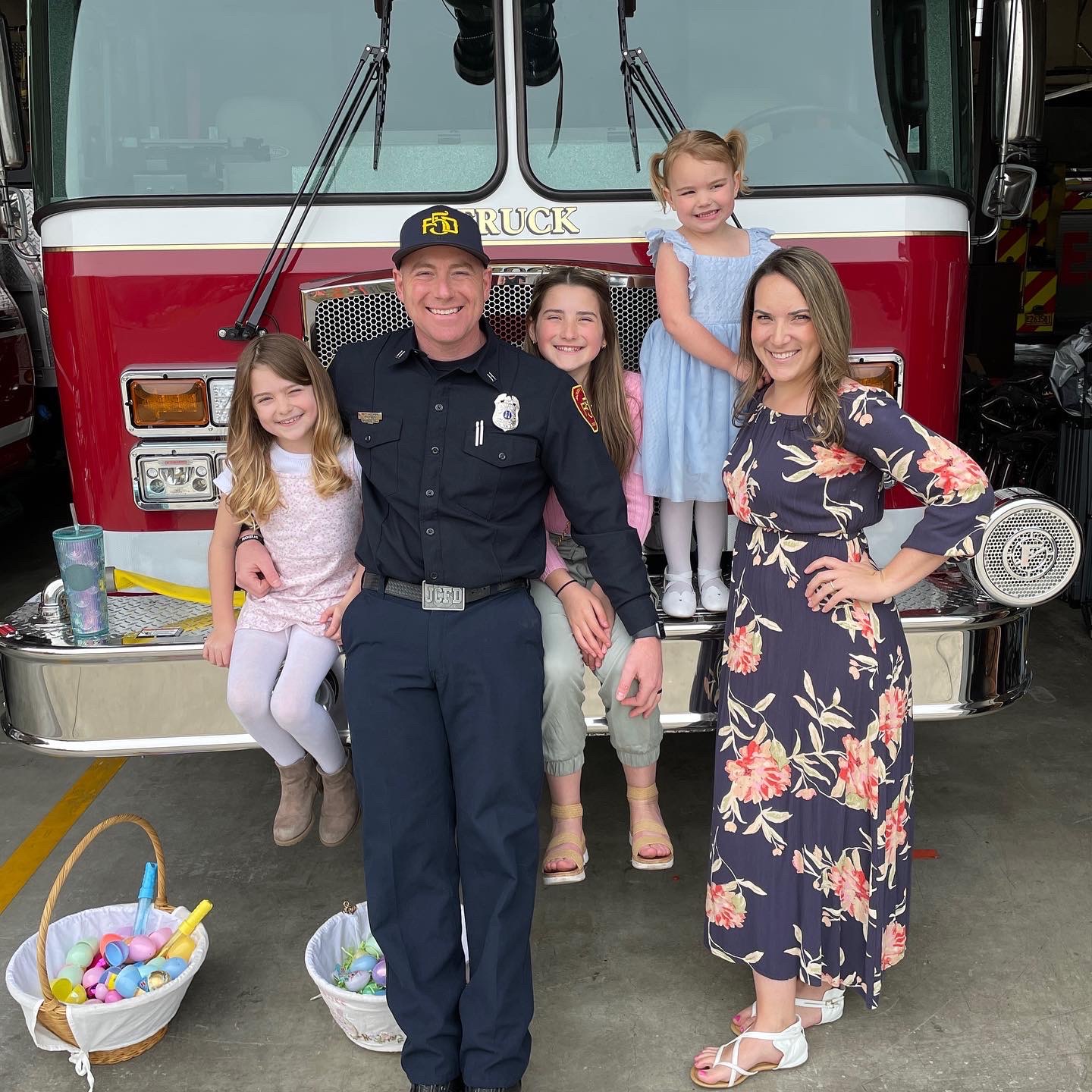
                           

Matt Hilliker has been a firefighter for 20 years. He has been in our fire district since 2005. He is a third-generation firefighter and was raised in a firehouse, he says. Before he came to Fire District No. 5, Matt fought forest fires, many of them in Southern California. 

“I never thought we’d see fires like those here at home,” he confided. “The winds that day of the Almeda Fire we definitely not typical. I was scheduled to be on duty that day,” he remembers, “but I had taken off to stay at home because it my kids’ first day of ‘distance learning’. I had a first grader and a third grader, and I wanted to be home to help them get started. We were in the pandemic, you know. I had just gotten the girls established in their classes when the phone blew up.”

Matt’s wife works for Mercy Flights Ambulance Service. He was talking to her in the driveway when he could see volumes of smoke pouring into the sky. He got called out to a location fairly south of town, and when they got there, the firemen realized that the fire had already passed them and was moving north, burning homes in Talent. They took a handful of engines and some strike teams and made it up to Talent. At that point every available agency was out fighting the fire. 

Matt says there were engines were going everywhere. He was working out in the Suncrest area mainly trying to save homes and a care facility out there. They began to realize that the best they could do was protect the homes and structures on the west side of town. Those were the homes and structures they could save. They had to concentrate on that. The hydrant system had failed. Water was free flowing out the hydrants at 100,000 gallons a minute and the system ran dry. Water was being delivered in tank trucks from Jackson Wellsprings. Matt commented that they were fortunate to hook up to that water source from connections they’d had years before. He could not remember them having to rely on the wellsprings before in his career. 

    All firemen were hyper focused on what it was they could do. They had faced defeat after defeat and moved from plan A, to B, to C, and so on. “Adapt and Overcome” was their motto. 

Matt said, “We’re used to winning, you know. We laid it out for 36 hours straight with loss after loss. It was a really hard pill to swallow.”

He remarked, “By the time we ran out of water, the fire was in Phoenix, well between Rose and South Stage, which is technically Phoenix.” He said, that had another individual not set fire in north Phoenix, that the overall damage would have been less.

    “The damage north of Boles wouldn’t have even happened if that individual had not have started the fire up there,” Matt explains.  That person was caught and incarcerated, but to date, no official determination has been made about how the fire started in North Ashland.”

    “Talent took the bulk of the hit,” Hilliker admitted. 

    Dealing with the aftermath of Almeda has been difficult. Matt is involved in establishing peer support and training for all the compounded stressors that firefighters face. This is in addition to the normal stresses that people were all going through at that time with the pandemic, relationships, and kids in distance learning. When I interviewed him, he had just that day returned from a training in Colorado for psychological effects the work of first responders. Matt stated that it is a false belief that firefighters sit around and wait for fires. They are very busy doing home assessments, equipment checking, going to training, and learning medical services. Matt himself is an EMT in addition to being a firefighter. 

Captain Matt Hilliker is extremely concerned with keeping a good firefighting force in the face of such fire danger as we have here in Southern Oregon. According to him, 1/3rd of the firefighters employed here right now are eligible for retirement. Recruitment is getting tougher. Matt emphasized that fire safety conditions are not getting much better. Despite attempts to mitigate fire danger, weeds are high, and drought is present. 

However, Matt is very pleased with the initiative of the District No. 5 Fire Chief, Charles Hanley. Hanley has taken many steps in the state of Oregon to improve our force and to reduce fire risks in general. In an interview that I did with Chief Hanley on the one-year anniversary of the fire, he listed ways in which he’d supported legislation to prevent fire devastation in the future. The following is an excerpt from that article which appeared in the September 2021 Talent News and Review:

    Charles Hanley, Fire Chief at Fire Station No. Five in Talent, explained that many issues we faced in the Almeda Fire have been addressed through state legislation. The new legislation provides guidelines and funding for mitigation efforts like reducing hazardous fuels, weed and brush abatement, hiring more fire fighters. Station Five here in Talent has 21 new fire fighters. The Talent Irrigation District (TID) is working with the state codes and funding to improve our water system. The state developed WUI, Wildland Urban Interface, to enforce a code that requires harder surfaces on any new buildings and homes in high-risk areas. There are stricter requirements for building to ensure that homes and commercial buildings will withstand fire better. Chief Hanley also said that the mutual aid system was following new procedures and regulations allowing the sharing of fire fighters and other resources for big fires sooner—even before the fire if possible. He mentioned that firemen at Station Five had experience with big fires by joining forces to fight fires in California in the past, and that did truly help them fight the Almeda Fire.
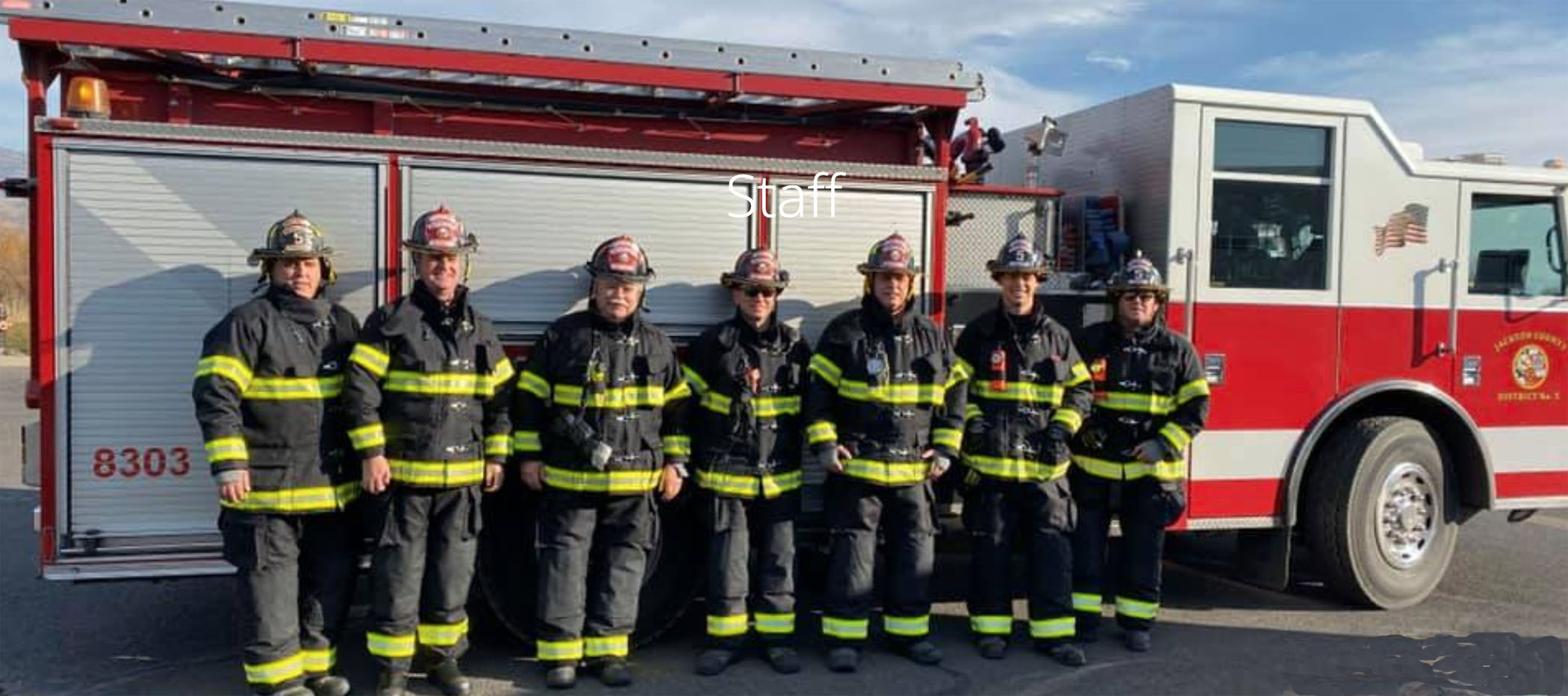

    Matt said that Chief Hanley brought a model of an initiative to us from California: The Oregon State Firefighter Apprentice Program, in which apprentice firefighters are given funds for education and certification. The State provides the funds along with a financial commitment from the Fire District. For this reason, and many others, our firefighters need money to build our force and to protect us from the types of fires we are seeing in our area now. Our district has been able to increase numbers of strike team members per truck, provide training, and address firefighters’ other needs, such as the psychological wellbeing that was mentioned earlier. 

    Here is a more recent message from our Fire Chief, taken from the Jackson County Fire District No. 5 Website:

Message from the Chief

Citizens of Jackson County Fire District No. 5

    Our Fire District has a history of providing service from three fire stations in the communities of Phoenix, Talent, and unincorporated Ashland. Last year, our firefighters responded to over 2800 calls for service, including fires, rescues, and cardiac emergencies. In addition, they assisted in wildland incidents and other mutual aid calls, helping our neighbors in Washington, California, and coastal Oregon.

    Jackson County Fire District No.5, Ashland Fire & Rescue, Medford Fire & Rescue, and Medford Rural Fire District No. 2, participate in a regional cooperative arrangement between our agencies. This is a resource-sharing agreement that provides (2) two 24-hour battalion chiefs and staffed fire resources that respond to each of our respective jurisdictions. We enjoy a similar arrangement with our lead forest agencies Oregon Department of Forestry and CAL Fire in the wildland-urban interface and the Siskiyou Summit, along the state line. It is our belief that these relationships will be a harbinger of continued public partnerships that result in an efficient fire protection model that serves the District and the Greater Rogue Valley, well into the future.

    Our relationship with Rogue Community College, the Rogue Interagency Training Association and its parent organization Rogue Valley Fire Chiefs Association has provided extensive specialized training opportunities, joint purchasing, equipment replacement, and other mutually beneficial endeavors. This example of public cooperation and assistance continues to be a shared benefit to all.

    The Fire District continues to apply for grant funding that allows us to develop and train personnel, make energy-efficient improvements, and purchase equipment and apparatus to help us better serve the community.  In addition, Jackson County public safety agencies have linked their communication systems through a “joint agency” central dispatch center called ECSO (Emergency Communications of Southern Oregon). These efforts not only improve our interoperability and the capability of our emergency radios but locate and dispatch the closest resources to a call for service.

    Our CERT (Community Emergency Response Team) currently working under the City of Ashland’s innovative program, is led by dedicated community members. Over 100 citizens have received training in first aid, disaster preparedness, and fire safety. Our Volunteers and the companion Student Firefighter program remain the backbone of the organization. They provide needed assistance at fires and stand by ready to assist and support emergency operations and community events. Finally, the Firehouse 5 Foundation and their crisis team assist our neighbors and visitors when they experience the devastating effects of a fire or traffic collision by providing care and shelter throughout the painful recovery process.

    As we progress, the Fire District including career and volunteer firefighters and elected officials are intent on bringing a fresh perspective and enterprising methods to meet the challenges facing the Fire District. We will strive to work with our community partners to provide the highest level of safety to the neighborhoods we proudly serve.

Charles Hanley,

FIRE CHIEF

La historia del Capitán Matt Hilliker, Cuerpo de Bomberos No. 5 del Condado de Jackson. Spanish translation of The Story of Captain Matt Hilliker, Jackson County Fire District No. 5

 La historia del Capitán Matt Hilliker, Cuerpo de Bomberos No. 5 del Condado de Jackson

Entrevista realizada por Debra Moon el 25/09/2022


    Matt Hilliker ha sido un bombero por 20 años.  Desde el 2005, ha trabajado en nuestro Cuerpo de Bomberos.  Es un bombero de tercera generación y se crio en una estación de bomberos. Antes de llegar al Cuerpo de Bomberos No. 5, Matt combatía incendios forestales, muchos de ellos en el sur de California. 

    “Nunca pensé ver incendios como estos aquí”, nos contó. “Los vientos del día del incendio de Almeda definitivamente no eran típicos. Estaba programado para estar de servicio ese día”, recuerda, “pero había pedido el día libre para quedarme en casa porque era el primer día de 'aprendizaje a distancia' de mis hijas. Una de mis hijas era una alumna de primer grado y la otra de tercer grado, y quería estar en casa para ayudarlas con el inicio de sus estudios.  Estábamos en plena pandemia, usted entiende. Acababa de dejar listas a las chicas para sus clases cuando el teléfono no dejaba de sonar”.

    La esposa de Matt trabaja para el Servicio de Ambulancias de Mercy Flights. Estaba hablando con ella en la entrada de autos de su casa, cuando alcanzó a ver grandes nubes de humo que ascendían hacia el cielo. Lo citaron a un lugar que queda en el extremo sur de la ciudad, y al llegar, los bomberos se dieron cuenta de que el fuego se había adelantado y avanzaba hacia el norte, quemando las casas en Talent. Se fueron en unos cuantos camiones de bomberos y algunos equipos de extinción de fuegos y llegaron a Talent. En ese momento, todos los camiones de bomberos disponibles estaban combatiendo el incendio. 

    Matt dice que había camiones de bomberos moviéndose por todos lados. Él estaba trabajando principalmente en el área de Suncrest intentando salvar las casas y un centro de atención allí. Se dieron cuenta que lo mejor que podían hacer en ese momento, era proteger las casas y estructuras que se encontraban al lado oeste de la ciudad. Estas estructuras eran las que iban a poder salvar y tenían que concentrarse en ellas. El sistema de las bocas de incendios había fallado. El agua fluía libremente por las bocas de incendios a 100.000 galones por minuto y el sistema se secó. El agua se repartió en camiones de cisterna desde Jackson Wellsprings. Matt comentó que tuvieron la suerte de conectarse a esa fuente de agua debido a conexiones que tuvieron años antes. Durante su carrera, no recordaba tener que depender de los manantiales anteriormente. 

    Todos los bomberos estaban superconcentrados en lo que podían lograr.  Después de intentar el plan A al B y al C, etcétera, estaban topándose con una derrota tras otra. El lema que adoptaron fue: “Adaptar y Superar”. 

    Matt dijo: “Sabes, estamos acostumbrados a ganar. Lo pusimos en práctica durante 36 horas seguidas con pérdida tras pérdida. Fue una derrota amarga.”

    Comentó: “Cuando nos quedamos sin agua, el incendio ya estaba en Phoenix, entre Rose y South Stage, que técnicamente es en el pueblo de Phoenix”. El daño en total hubiera sido menos si no fuera por la persona que prendió un incendio en el norte de Phoenix, “Si no fuese por la persona que comenzó el incendio al norte de Boles, ese daño allí no hubiera sucedido. ”, explica Matt. Capturaron y encarcelaron a esa persona, pero hasta la fecha, no se ha determinado oficialmente cómo comenzó el incendio en el norte de Ashland”.

    “La ciudad de Talent fue la más afectada,” admitió Hilliker. 

     Ha sido difícil lidiar con las secuelas del incendio de Almeda. Matt está involucrado en el establecimiento de un grupo de apoyo y capacitación entre pares para tratar los factores estresantes que enfrentan los bomberos. Esto es además del estrés normal por el cual todos estaban pasando en ese momento debido a la pandemia, las relaciones y los niños en el aprendizaje a distancia. Cuando lo entrevisté, ese mismo día, acababa de regresar de un entrenamiento en Colorado sobre los efectos psicológicos que causa el trabajo en las unidades de primera intervención. Matt dijo que es una creencia falsa que los bomberos se queden sentados esperando un incendio.  Están muy ocupados evaluando casas, revisando equipos, entrenando y aprendiendo sobre servicios médicos. El propio Matt es un técnico de urgencias médicas además de ser bombero. 

    El Capitán Matt Hilliker está extremadamente preocupado por mantener una buena fuerza de extinción de incendios frente al peligro de incendios que tenemos aquí en el sur de Oregón. Según él, una tercera parte de los bomberos empleados aquí en este momento califican para la jubilación. El reclutamiento es cada vez más difícil. Matt enfatizó, que las condiciones de seguridad contra incendios no están mejorando. A pesar de los intentos de mitigar el peligro de incendios, la maleza es abundante y la sequía está presente. 

    Sin embargo, Matt está muy contento con la iniciativa de Charles Henley, el jefe del Cuerpo de Bomberos del Distrito No. 5.  Hanley ha tomado muchas medidas en el estado de Oregón para mejorar nuestro cuerpo de bomberos y reducir los riesgos de incendios en general. En una entrevista que tuve con el jefe Hanley, en el primer aniversario del incendio, enumeró las formas en que apoya la legislación para prevenir la devastación por incendios en el futuro. El siguiente es un extracto de ese artículo que se publicó en Talent News and Review en septiembre de 2021:

    Charles Hanley, jefe de bomberos del Cuerpo de Bomberos número cinco, en Talent, explicó que muchos de los problemas que enfrentamos en el incendio de Almeda, se han abordado por medio de la legislación estatal. La nueva legislación dispone de normas y fondos para los esfuerzos de atenuación como la reducción de combustibles peligrosos, la eliminación de malezas y arbustos, y la contratación de más bomberos. La Estación Número Cinco aquí en Talent, tiene 21 bomberos nuevos. El Distrito de Irrigación de Talent, (Talent Irrigation District) está trabajando para mejorar nuestro sistema de agua de acuerdo con los artículos y fondos estatales. El estado formó el WUI, (Wildland Urban Interface), para hacer cumplir un código que exige superficies más duras en toda construcción nueva de edificios y viviendas en áreas de alto riesgo. Existen requisitos más estrictos para la construcción a fin de garantizar que las viviendas y los edificios comerciales resistan mejor el fuego. El jefe Hanley también dijo que el sistema de ayuda mutua está siguiendo nuevos procedimientos y regulaciones que permiten rápidamente compartir bomberos y otros recursos para incendios grandes, incluso si es posible, antes de un incendio. Mencionó que los bomberos de la Estación Cinco tenía experiencia combatiendo incendios grandes en California por haber unido fuerzas en el pasado, y eso realmente fue lo que los ayudó a combatir el incendio de Almeda.

    Matt dijo que el jefe Hanley nos trajo de California, un modelo de iniciativa:  El Programa de Bomberos Aprendices del Estado de Oregón, en el que los aprendices de bomberos reciben fondos para su educación y certificación. El Estado proporciona los fondos junto con un compromiso económico del Cuerpo de Bomberos. Por esta razón, y muchas otras más, nuestros bomberos necesitan dinero para establecer fuerza y protección contra el tipo de incendios que se están viendo en nuestra zona hoy en día. Nuestro distrito ha logrado aumentar la cantidad de bomberos por camión, brindar capacitación y abordar otras necesidades para los bomberos, como el bienestar psicológico mencionado anteriormente. 

Mensaje del Jefe de Ciudadanos del Cuerpo de Bomberos del Condado de Jackson

Aquí hay un mensaje mas reciente de nuestro Jefe de Bomberos, tomado sitio web del 

Cuerpo de Bomberos No. 5 del Condado de Jackson

    Nuestro Cuerpo de Bomberos tiene un historial de proporcionar servicio desde tres estaciones de bomberos en las comunidades de Phoenix, Talent y la parte de Ashland que no está incorporada. El año pasado, nuestros bomberos respondieron a más de 2800 llamadas de servicio, incluyendo incendios, rescates y urgencias cardíacas. Además, ayudamos con incidentes en áreas silvestres y otras llamadas de ayuda mutua, ayudando a nuestros vecinos en Washington, California y la costa de Oregón.

    El Cuerpo de Bomberos No. 5 del Condado de Jackson, Ashland Fire & Rescue, Medford Fire & Rescue y el Cuerpo de Bomberos Rural No. 2 de Medford participan en un acuerdo de cooperación regional entre nuestras estaciones. Este es un acuerdo de recursos compartidos que proporciona (2) dos jefes de batallón las 24 horas y recursos de bomberos que responden a cada una de nuestras respectivas jurisdicciones. Disfrutamos de un arreglo similar con nuestras principales estaciones forestales, el Departamento Forestal de Oregón y CAL Fire en la interconexión urbano-forestal y la Cumbre Siskiyou, a lo largo de la frontera estatal. Creemos que estas relaciones serán indicadores de asociaciones públicas continuas que darán como resultado un modelo eficiente de protección contra incendios que servirá al Distrito y al Gran Rogue Valley en el futuro.

    Nuestra relación con el Rogue Community College, Rogue Interagency Training Association y su organización matriz Rogue Valley Fire Chiefs Association ha brindado amplias oportunidades de capacitación especializada, compras conjuntas, reemplazo de equipos y otros esfuerzos de beneficio mutuo. Este ejemplo de cooperación y asistencia pública continúa siendo un beneficio compartido para todos.

    El Cuerpo de Bomberos seguirá solicitando subvenciones que nos permitan desarrollar y capacitar a personal, realizar mejoras de alto rendimiento energético, y comprar equipo y aparatos que nos ayuden a mejor servir a la comunidad. Además, las agencias de seguridad pública del condado de Jackson han vinculado sus sistemas de comunicación a través de un centro de despacho central de "agencias unidas" llamado ECSO (Comunicaciones de emergencia del sur de Oregón). Estos esfuerzos no solo mejorarán nuestra interoperabilidad y la función de nuestros radios de emergencia, sino que también ubican y envían los recursos más cercanos para una llamada de servicio.

    Nuestro CERT (Equipo de Respuesta a Emergencias Comunitarias) que actualmente trabaja bajo el programa innovador de la Ciudad de Ashland, está dirigido por miembros dedicados de la comunidad. Más de 100 ciudadanos han recibido capacitación en primeros auxilios, preparación para desastres y seguridad contra incendios. Nuestros voluntarios y el programa acompañante de Estudiantes Bomberos, siguen siendo el pilar de la organización. 

    Dispone la asistencia necesaria en los sitios de incendios y se mantienen preparados para ayudar y apoyar con las operaciones de emergencia y los eventos comunitarios. Por último, la Fundación Firehouse 5 y su equipo de crisis ayudan a nuestros vecinos y visitantes cuando sufren de los efectos devastadores de un incendio o de un accidente de tránsito, proporcionando atención y refugio durante el doloroso proceso de recuperación.

    A medida que avanzamos, el Cuerpo de Bomberos, que incluye los bomberos profesionales y voluntarios y los funcionarios electos, están dispuestos a ofrecer una nueva perspectiva y métodos emprendedores para enfrentar los desafíos que encara el Cuerpo de Bomberos. Nos esforzamos por trabajar con nuestros aliados comunitarios para brindar el nivel más alto de seguridad a los vecindarios que orgullosamente servimos.

Charles Hanley,

JEFE DE BOMBEROS

Saturday, September 10, 2022

Mike’s Fire Story

Mike’s Fire Story

Interview with Debra Moon on July 25, 2022

    On the day of the Almeda Fire, Mike was in his home on Suncrest. He saw a big plume of smoke through the skylight. It was grayish white. He rushed outside to have a better look. Some neighbors were gathering at a nearby corner and looking south. Mike guessed it must be a grass fire because of the color of the smoke. He tried to find an alert on his phone as the 5 or 6 others were too. But, no one could find any alerts.  

    A black plume of smoke went up suddenly. He thought it must be the car repair shop at the end of town going up in flames. Mike returned home to turn on the radio and the T.V. Still there was no news, and no warnings. He was not sure what to do but started to put together a go-bag in case of evacuation. 

    During this time, Mike’s wife, Anna, was in Ashland at S.O.U. Anna runs the health center at the university, and she was at work. Anna called him to tell him what she had been told by the Head of SOU’s security office, who had been monitoring 911 communication systems. He  told her that Mike needed to evacuate now. 

    Mike started loading laptops and backpacks with clothing into his small ‘94 Honda hatchback parked in the garage. Mike had raised the powerlift door expecting that electricity might go out. His next door neighbor came over to the garage worried about getting out, because he was without a car. His wife also had told him to evacuate as her employer was also monitoring 911 radio traffic. Mike kindly loaded his neighbor’s big screen Apple media computer along with a few storage bins into his little compact along with the neighbor and his cat captured in a carrier. They left. 

    According to Mike the corner of Suncrest, 99 and Colver Road was a Zoo!! An officer was directing traffic in multiple directions away from Suncrest and 99 up Colver. Inching along behind other neighbors and several 18 wheelers, he finally got to the baseball fields on Colver. Where the neighbor was going to meet his wife. They still had received no evacuation warnings on their phones or Mike’s radio. Since he had emptied his tiny car of the cat, the neighbor and the computer. He was still parked at the baseball field with bumper-to-bumper traffic traveling West on Colver, listening for evacuation warnings. He decided to return to his house on Suncrest on foot to retrieve more belongings. He got photo albums, a couple of paintings done by a deceased friend, and more of his wife’s work clothing by flashlight. When he had arrived at his home the electricity was out. But before he left for a second time, he saw that the smoke, ash and cinders were getting closer, so he put two hoses on spray at two separate corners on the top of his roof. While up on the roof, he saw an official vehicle coming down Suncrest with a loud-speaker announcing mandatory evacuation. The first warning, finally!

    Proceeding on foot, with all the extra stuff under his arms and pulling a duffle bag, he saw many people just standing near 99 and Colver. It looked like they didn’t know what to do as the vehicle congestion had gotten worse. From his rooftop, he had seen the fire burn up a hill near the Suncrest overpass, which probably jumped the freeway briefly driven by 50 mph gusts of hot wind. Only then to jump back to the West side of I-5 and start burning through the Green Way, orchards and tall dry grass. Back at Colver and 99, it looked like ODOT had continued to direct more big trucks off the freeway. They were adding even more congestion to the already clogged escape route out Colver. And, further confusing the First Responder’s evacuation tasks. “This is crazy!” he thought. 

    He saw weeds in the orchards go up in flames, in addition to cedar fences at the edge of his development. As he hurried up Colver, the fire, which had been fought away from the back of the Fire District 5 firehouse, had gone north toward Phoenix only to jump 99 and start burning back toward Colver in the swirling winds. The 3 foot high stumps of fruit trees north of Colver had suckers growing out of them, and had just been left in the fields surrounded by tall weeds. They were all catching fire. He had seen the fire heading for the gas station at Colver and Talent Ave. by-way-of the far end of the Subway (anchored?) strip-mall. A huge borate bomber was making an approach from the South to dump it’s load on the fire along 99 there. At a quickened pace walking up Colver Road, he saw panic on the faces of people in their cars stuck in only one lane between 18 wheelers. 

    After the fire, at a Zone Captains meeting, he would find out that some four-wheel-drive vehicles went overground paralleling the orchards to desperately escape the burning fields and sucker trees popping off like flares. 

    Mike left the baseball field and took Front Street through some neighborhoods to finally arrive at Rapp Road and Talent Ave., heading back south toward the fire’s origin. His thought was to get to his wife in Ashland. But, there were many others attempting to do the same along Talent Ave. At the intersection, he was given the choice by a State Trooper to go back to 99 and north to Colver or up Rapp Road. He went up Rapp Road behind the big OSF warehouses there. Drove through the graveled back lots and came out near the Dog Park. Houses and trailer parks East of Talent Avenue had only started to burn. He went south down Talent Avenue to 99 toward Ashland surrounded by smoke, avoiding police roadblocks along the way. He was able to meet up with his wife at the SOU health center. 

    They stayed in Ashland with friends who had just finished a master-suite in their upstairs. They let Mike and Anna have this suite. They stayed there 10 days and then found a couple’s second home through another friend, which was empty at the time. They lived there for a couple of months. 

    When they went back to look at their home on Suncrest at the end of the week of the fire, it was gone. The hoses which had been on the roof had melted. The homes on either side of their house were also gone though one looked OK from the front, but the backside was completely gutted. Two houses on their street between all the burned ones were still there. The trees in the front of their house were half burnt on the side facing the house. In total, in their neighborhood, there were ten homes that didn’t burn. It seemed so random to him and Anna. 

    They had State Farm Insurance, and settling with them was the next worst experience after losing their home. They talked with other people who had State Farm, and it seemed their experiences were as random as the fire. Some had no problems, some had fewer problems, and others had many problems like them. It seemed it depended entirely on who your adjuster was, and unfortunately, they did not have good ones except for the first one. Their adjusters were changed out four times until they finally had to get their agent of 35 years to get them the money they were entitled to according to their premiums to get to rebuild their lives. 

    Mike had heard from neighbors that only four companies were quick to respond to their customer’s needs by representing in a South Gateway Medford parking lot. They contacted their customers and cut checks or expedited payments there. They were Farmers, Progressive, USAA and maybe Allstate. Sadly, not State Farm. Mike and Anna finally ended up alright, it just took a 10-12 months for the company to release the more than $80,000 that was due to them in their final adjustment after being refused a claims extension. 

    But that is not the end of the story. Thirty days after the fire, Mike’s hatchback was stolen. The car was stolen out of the parking lot of the townhouse they were renting. It was found in Klamath Falls, completely ransacked. 

    Mike and Anna suffered some very big losses of personal belongings in the fire from their individual and couple’s adventures around the world. But also, Mike had a major collection of artifacts and memorabilia from his dad’s service in the Army Air Force as a ferry pilot during World War II. He had flown across America to North Africa, Turkey, Afghanistan to Calcutta and onward to Burma, China, then back again many times. These things can never be replaced. However, they were able to save some precious albums from their wedding, their childhoods, and their travels. When they went back to their home, which had burned down completely, they were crestfallen, but they did find jewelry in the ashes from a spot near where Anna’s jewelry box had been. Among the items were her grandmother’s and great-grandmother’s wedding rings and her Brooklyn born and bred uncle’s large ‘Guido’ ring. 

They had a few other things, remnants that escaped total destruction by the fire or were partially melted, but still had meaning for them. These were in a crate at the place they were renting, and unfortunately the landlord tossed them out before they could build a memorial to their fire experience with them. 

Mike sums it up, “Fall 2020 was a miserable time. We had so much loss that fall. First the fire then my car’s stolen. Even my ex-partner, the mother of my son, sadly also died two months after the fire. Thankfully, we finally got back into our home by November 2021.” 

La historia del incendio Almeda de Mike, Spanish translation of Mike's Fire Story

 La historia del incendio Almeda de Mike

Entrevista con Debra Moon, el 25 de julio del 2022


    El día del incendio Almeda, Mike estaba en su casa en Suncrest. Vió un penacho de humo a través del tragaluz. Era de color blanco gris. Él corrió afuera para tener una mejor vista. Algunos de los vecinos estaban juntándose en una esquina cercana y mirando hacia el sur. Mike pensó que era un fuego de zacate por el color del humo. Trato de encontrar algún tipo de alerta en su teléfono, como las otras 5 o 6 personas. Pero, nadie podía encontrar ninguna alerta.

    El penacho de humo creció repentinamente. Él pensó que tal vez era el lugar de reparación de carros que estaba ardiendo al final del pueblo. Mike regresó a casa para prender la radio y la TV. Todavía no podía encontrar nada en las noticias, ni advertencias. Él no estaba seguro de lo que tenía que hacer, pero empezó a organizar una bolsa de salida en caso de evacuación.     

    Durante ese tiempo, la esposa de Mike, Anna, estaba en Ashland, en el S.O.U. Anna estaba en el trabajo, ella está encargada del centro de salud en la universidad. Anna le llamó para decirle lo que el jefe de seguridad del SOU le había dicho, él había estado monitoreando los sistemas de comunicación del 911. Le dijo que Mike tenía que evacuar en ese momento. 

    Mike empezó a cargar laptops y mochilas con ropa es su pequeño Honda “hatchback“ del año ‘94 que estaba aparcado en el garaje. Mike abrió su puerta elevadora pensando que la electricidad se podría ir. Su vecino de al lado vino al garaje, preocupado de cómo salir, porque estaba sin carro. Su esposa le había dicho que tenía que evacuar ya que su empleador también estaba monitoreando el tráfico de radio 911. Mike bondadosamente cargó en su compacto pequeño, la computadora multimedia Apple de pantalla grande de su vecino, junto con algunos contenedores, al vecino, y al gato capturado en su jaula. Y se fueron.

    De acuerdo a Mike, la esquina de Suncrest, 99 y Colver Road ¡era un zoológico! Un oficial estaba dirigiendo el tráfico en las múltiples cuatro direcciones, lejos de Suncres y 99 hacia Colver. Avanzando poco a poco detrás de otros vecinos y varios camiones de 18 ruedas, finalmente llegó al campo de béisbol de Colver, donde el vecino iba a encontrar a su esposa. Ellos todavía no habían recibido ninguna advertencia de evacuación en sus teléfonos o en la radio de Mike. Ya que había vaciado de su minúsculo carro el gato, el vecino y la computadora. Todavía estaba estacionado en el campo de béisbol esperando por los mensajes de evacuación, con el tráfico de parachoques a parachoques que viajaba al oeste de Colver. Decidió volver a su casa en Suncrest a pie para sacar más cosas. Recogió un álbum de fotos, un par de pinturas hechas por un amigo fallecido, y más ropa de trabajo de su esposa a la luz de una linterna. 

    Cuando llegó a su casa la electricidad se había ido. Pero cuando salió la segunda vez, vio que el humo y las cenizas se acercaban, así que puso dos mangueras a rociar agua en dos esquinas separadas encima de su techo. Mientras estaba en el techo pudo ver un carro de policía viniendo hacia Suncrest con un altavoz anunciando la evacuación obligatoria. ¡Finalmente, la primera advertencia! Él estaba molesto de ser avisado tan tarde. 

    Dirigiéndose a pie, con todas las cosas extras debajo de sus brazos y jalando una bolsa de lona, vio a muchas personas paradas cerca de la 99 y Colver. Parecía que no sabían qué hacer, ya que la congestión vehicular era peor. Desde su techo, él pudo ver que el fuego había quemado toda una colina cerca al paso superior de Suncrest, el fuego probablemente saltó sobre la interestatal, movido rápidamente por ráfagas de viento de 50 mph. Para después saltar de regreso al oeste del I-5 y empezar a quemar a través del Greenway, las huertas, y los pastos altos. De regreso al 99 y Colver, parecía que ODOT (Departamento de Transporte de Oregón) había continuado el desvío de camiones grandes de la autopista. Estos estaban agregando aún más congestión a la obstruida ruta de escape de Colver. Y, confundiendo aún más las tareas de evacuación de los socorristas. “¡Esto era una locura!” pensó. 

    Vió malezas en los huertos ardiendo en llamas, además de las cercas de cedro al borde de su vecindario. Mientras subía a toda prisa a Colver, el fuego que había sido combatido por la parte trasera de la Estación de Bomberos del Distrito 5, se había dirigido hacia el norte, hacia Phoenix, para saltar otra vez y empezar a arder hacia Colver, en los arremolinados vientos. Los tocones de frutales de tres pies de altura tenían ramas creciendo de ellos y habían sido dejados en el campo con malezas altas alrededor de ellos. Todos estaban ardiendo. Él había visto el fuego en dirección de la estación de gas en Colver y Talent Avenue. Cerca de la parte final del Centro Comercial cerca al Subway (¿tal vez detenido?). Un enorme bombardero de borato estaba aproximándose desde el sur para descargar su carga en el fuego en la 99. Mientras caminaba de modo acelerado por Colver Road, él vió el pánico en los rostros de las personas atrapadas en sus carros en un solo carril entre camión de 18 ruedas. 

    Después del incendio en una reunión de los capitanes de la zona, se enteraría que algunos vehículos con tracción de 4 ruedas fueron por encima de la superficie paralelo a las huertas, para escapar desesperadamente los campos en llamas y los retoños que estallaban como bengalas. 

    Mike dejó el campo de béisbol y tomó Front Street a través de unos vecindarios para finalmente llegar a Rapp Road & Talent Avenue, dirigiéndose al sur hacia el origen del incendio. Su idea era llegar a su esposa en Ashland. Pero había muchos tratando de hacer lo mismo a lo largo de Talent Ave. En la intersección un policía estatal le dio la opción de regresar por la 99 y el norte de Colver o hacia arriba a Rapp Road. Así, decidió ir hacia Rapp Road detrás de los depósitos del OSF. Manejo por los lotes de grava y llegó cerca al parque de los perros. Las casas y los parques móviles de Talent Ave. estaban empezando a arder. Él fue hacia el sur por Talent Avenue y la 99 hacia Ashland, todo rodeado de humo, evitando los bloques policiales a lo largo del camino. Él pudo encontrarse con su esposa en el centro de salud del SOU. 

    Ellos se quedaron en Ashland con unos amigos que habían acabado de construir su suite principal en el segundo piso. Ellos les dejaron a Mike y Anna usar su suite. Empezaron allí por 10 días y después encontraron por medio de unos amigos la casa de una pareja que estaba vacía. Vivieron allí por un par de meses.

    Cuando ellos regresaron a ver su casa en Suncrest, al final de la semana, se había ido, las mangueras que estaban en el techo se habían derretido. Las casas a ambos lados también se habían ido, la casa del frente parecía estar bien, pero la parte trasera estaba completamente destrozada. Dos casas en la calle, en medio de todo lo quemado estaban bien. Los árboles en frente de su casa estaban quemados por la mitad, en la parte que daba a la casa. En total, en el vecindario, había 10 casas que no se habían quemado. Parecía muy al azar para él y Anna. 

    Ellos tenían State Farm Insurance, y tratando de llegar a un acuerdo con ellos fue la peor experiencia después de haber perdido su casa. Ellos habían hablado con otras personas que también tenían State Farm, y parecía que sus experiencias eran tan al azar como lo que pasó con el incendio. Algunos no tenían problemas, algunos pocos, y otros muchos problemas como ellos. Parecía que dependía de quién era el ajustador, y desafortunadamente no tenían unos buenos, excepto por el primero. Los ajustadores fueron cambiados cuatro veces hasta que finalmente fueron a su agente que conocían por 35 años para recuperar el dinero que les tocaba de acuerdo a la prima, para reconstruir sus vidas.

    Mike había escuchado de sus vecinos que solo cuatro compañías fueron rápidas para responder a sus clientes por un representante en el parqueadero de South Gateway, Medford. Ellos contactaban a sus clientes y hacían cheques o aceleraban los pagos. Ellos eran Farmers, Progressive, USAA y tal vez Allstate. Tristemente no había State Farm. Mike y Anna finalmente terminaron bien, solo les tomó 10-12 meses para que la compañía les dejará más de $80,000 que se les debía, después de un ajuste final, después de que se les negara una extensión de reclamos.

    Pero eso no es el fin de la historia. Treinta días después del incendio, el “hatchback” de Mike fue robado. El carro fue robado del parqueadero de las casas adosadas que estaban rentando. Lo encontraron en Klamath Falls, completamente saqueado.

    Mike y Anna sufrieron unas pérdidas muy grandes de cosas personales en el incendio, cosas individuales y de pareja, de sus aventuras alrededor del mundo.  Pero también, Mike tenía una colección grande de artefactos y recuerdos de su padre del servicio en la Fuerza Area del Ejército como piloto transbordador de la Segunda Guerra Mundial. Él había volado a través de América a África del Norte, Turquía, de Afganistán a Calcutta y de frente a Burma, China; y muchas veces de regreso. Estas cosas nunca pueden ser reemplazadas. Sin embargo, ellos fueron capaces de salvar algunos álbumes de fotos de su matrimonio, de su niñez, y de sus viajes. Cuando ellos regresaron a su casa, que había sido quemada completamente, estaban cabizbajos, pero no encontraron joyas en las cenizas cerca del lugar donde estaba la caja de joyas de Anna. Entre estas cosas estaban los aros de bodas de su madre y de su abuela, y del anillo del tío ‘Guido’ nacido y criado en Brooklyn. 

    Ellos encontraron entre otras cosas, restos que escaparon de la destrucción por el fuego o cosas parcialmente derretidas, pero que igual tenían mucho significado para ellos. Estos estaban en una caja en el lugar donde estaban rentando, pero desafortunadamente el dueño la botó antes de que pudieran construir un recuerdo de su experiencia con el fuego.

    Mike lo resume así, “El otoño del 2020 fue un tiempo miserable. Perdimos tanto. Primero el fuego, luego mi carro robado. Incluso mi ex-pareja, la madre y mi hijo, tristemente murieron dos meses después del fuego. Con mucha gratitud, finalmente regresamos a nuestra casa en noviembre del 2021.”

Burnt Car Repair Shop, Talent Ave


Photo coutersy of Debra Moon

Friday, September 9, 2022

STUDENT STORY: TALENT ELEMENTARY STUDENT- Jordan's Fire Story

 Jordan’s Fire Story

On the morning of September 8, 2020, I ate breakfast.

It was windy.

Around lunchtime, I saw smoke and fire! The green grass across the street was on FIRE!

I was scared! The police knocked on our door.

The policeman told us to leave the house and to EVACUATE!

We didn’t pack anything. We just got in our car.

Then we had to evacuate to Medford. We saw smoke! There was a lot of traffic. Everyone was trying to evacuate.

We had to find somewhere to stay. It was my dad, my mom and my four brothers and me.

We stayed at the EXPO center with a lot of other people. People gave us food. 

My mom checked Facebook and found out that our house was burned down! My cousins’ house wasn’t burned down. 

My parents cried. The next morning, our parents tried to find someplace to live but we could not. Luckily, we found a house in Ashland close to La Clinica to stay in. People gave us clothes, furniture and food.

I will never forget the flames and the smoke and the traffic that day. I am thankful my family is okay.


HISTORIA DEL ESTUDIANTE: PRIMARIA DE TALENT: La Historia de Fuego de Jordan- Spanish translation of Jordan's Fire Story


La Historia de Fuego de Jordan

En la mañana del 8 de septiembre del 2020, comí el desayuno.

Hacia viento.

Alrededor del almuerzo, ¡vi humo y fuego! El pasto verde al frente de la casa ¡estaba en LLAMAS!

! Me dio miedo! La policía llamó a la puerta.

El policía nos dijo que teníamos que irnos de la casa y ¡EVACUAR!

No empacamos nada. Solo nos subimos al carro.

Luego tuvimos que evacuar a Medford. ¡Vimos humo! Había mucho tráfico. Todos estaban tratando de evacuar.

Teníamos que buscar un lugar donde quedarnos. Era mi papá, mi mamá, mis cuatro hermanos y yo.

Nos quedamos en el centro del EXPO con muchas otras personas. Las personas nos dieron comida.

Mi mamá chequeo el Facebook y descubrió que ¡nuestra casa se quemó! La casa de mis primos no se había quemado.

Mis papás lloraron. A la mañana siguiente, nuestros padres trataron de encontrar un lugar donde vivir, pero no pudimos. Con mucha suerte encontramos una casa para quedarnos en Ashland cerca a la Clínica. Las personas nos dieron ropa, muebles y comida.

Nunca voy a olvidar las llamas, el humo, y el tráfico de ese día. Estoy muy agradecido de que mi familia está bien.

Thursday, September 8, 2022

STUDENT INTERVIEW: TALENT MIDDLE SCHOOL INTERVIEW- Matt interviews Lily

 Hello, I'm Matt.

 Hello, I'm Lily.

 Matt:

    Today we're going to be talking about the Almeda Fire and what happened before, during, and after it. This recording will be transcribed and most likely published into a book. Okay so first question, do you think that the Almeda Fire was a good thing for the community, or a very bad thing?

 Lily:

    I think it's both because I think it changed our community in a good way. We all learned something new and I just think it's bad but good because we all learned something.

 Matt:

    Okay, and why do you think that?

 Lily:

    I think that it's kind of like your animals passing away. You’ll learn how it feels and it's very upsetting, but you learn some things that just have to happen. You’ve just got to move on with your life. It's not the end of the world but it's very upsetting.

 Matt:

    Okay, so what were you doing before you found out that the fire had started?

 Lily:

    I was watching TV with my brother and my mom.

 Matt:

    What were you doing, specifically?

Lily:

    I mean, we were watching a movie on the couch. We just heard a pop sound. A bang actually, the electricity went out, new big puffs of smoke and it looked like it was right by our mountain. We saw helicopters.

 Matt:

    Okay, did you stay home or did you get in the car and get away from it?

 Lily:

    We packed our stuff, got in the car and drove away, making sure that everything was set and ready to go.

 Matt:

    Did you see anything unsettling while you were in the car?

 Lily:

    Yes, we saw a big thing of smoke and flames.

 Matt:

    How visible were they? Were they close?

 Lily:

    Well, we live on a mountain and it felt very close. We could see the flames, so we thought it was very close. Also, very far but kind of close.

 Matt:

    So, where did You escape too?

 Lily:

    We escaped to the hotel with our cat.

Matt:

    How long did you stay in the hotel? Did you return the next day or did you have to wait?

 Lily:

    We stayed in the hotel for one night. We let our cat roam around because he was there. We just stayed there for a day.

 Matt:

    What do you think the fire has done to affect our futures, in the far future?

 Lily:

    It will be a story to tell to other family members who have suffered from it, or had gotten hurt by it. It's a great story to tell your kids or grandkids and just our future family.

 Matt:

    Do you think this fire is going to give insight to the future generations?

 Lily:

I     guess people in the future will learn that it is okay to feel hurt, and no matter what happens in the community, they will be strong and help each other.

 Matt:

    Do you think the fire is going to be one for the history books?

 Lily:

    Well, kind of. It could, but I doubt it because California has bigger fires than this. I think maybe it is possible because, well, it's California. They have a lot of fires and it's dry, but here it's different. It might be in the history books. Maybe, because it's different. It was a big fire, but it happens all the time. It's upsetting, but for us it's different because Oregon is watery.

 Matt:

    Well, thank you for talking to me!

 Lily:

    Thank you for having me here, to talk about my experiences.

ENTREVISTA CON ESTUDIANTES: TALENT MIDDLE SCHOOL: Matt y Lily, Spanish translation of STUDENT INTERVIEW: TALENT MIDDLE SCHOOL INTERVIEW- Matt interviews Lily

Hola, soy Matt

Hola, soy Lily

Matt: Hoy día vamos a hablar acerca del Incendio del Almeda y que pasó antes, durante y después de este. La grabación será transcrita, y posiblemente publicada en un libro. Bueno, la primera pregunta, ¿Piensas que el incendio de Almeda haya sido una cosa buena o una cosa mala para la comunidad?

Lily: Yo pienso que es ambos ya que cambió nuestra comunidad de una forma buena. Todos aprendimos algo nuevo y pienso que es malo pero bueno porque todos aprendimos algo.

Matt: Ya veo, y ¿por qué piensas eso? 

Lily: Yo pienso que es como cuando nuestros animales se mueren. Puedes aprender cómo te sientes y te puedes sentir muy molesta, pero también aprendes de que hay algunas cosas que simplemente tienen que suceder. Lo único que haces es continuar con tu vida. No es el fin del mundo, pero es super triste.

Matt: Bueno, entonces ¿que hiciste una vez que te enteraste de que el fuego había empezado?

Lily: Yo estaba mirando la televisión con mi hermano y mi mamá.

Matt: ¿Qué estabas haciendo exactamente?

Lily: Lo que quiero decir es que estábamos viendo una película en el sofá. Escuchamos un sonido como un “pop”, en realidad como un estallido, la electricidad se fue, nuevos estallidos y humo aparecieron y parecía que estaba justo al lado de nuestra montaña. Vimos helicópteros.

Matt: ¿Se quedaron en la casa o se subieron en el carro y se alejaron?

Lily: Empacamos nuestras cosas, nos subimos al carro y nos alejamos, nos aseguramos de que todos estuvieran en su lugar y listo para irse.

Matt: ¿Viste algo inquietante mientras ibas en el carro?

Lily: Si, vimos una cosa grande de humo y llamas.

Matt: ¿Cuán visible eran? ¿Estaban cerca?

Lily: Bueno, vivimos en la montaña y se sintió bien cerca. Pudimos ver las llamas, así que pensamos que estaba bien cerca. También, lejos pero casi cerca.

Matt: Así que, ¿A dónde escaparon?

Lily: Escapamos al hotel con nuestro gato.

Matt: ¿Cuánto tiempo se quedaron en el hotel? ¿Regresaron al siguiente día o tuvieron que esperar?

Lily: Estuvimos en el hotel por una noche. Dejamos a nuestro gato deambular en el lugar porque él estaba ahí. Nos quedamos solo por un día. 

Matt: ¿Qué crees que hizo el fuego para cambiar nuestro futuro, en un futuro lejano?

Lily: Será una historia para contar a los miembros de nuestra familia que lo han padecido, y a los que se habían lastimado por este fuego. Es una gran historia para contar a nuestros hijos o nietos o a nuestra futura familia.

Matt: ¿Crees que el incendio de una visión de conocimiento para las futuras generaciones? 

Lily: Supongo que las personas aprenderán que está bien sentirse herido, y no importa lo que pase en la comunidad, pues esta es fuerte y se ayudan los unos a los otros.

Matt: ¿Piensas que el incendio estará en nuestros libros de historia?

Lily: Creo que sí. Podría, pero lo dudo porque California ha tenido fuegos más grandes que este. Podría ser una posibilidad, porque es California. Tienen muchos fuegos y está seco, pero aquí es diferente. Podría estar en los libros de historia. Tal vez porque es diferente. Fue un gran incendio, pero estos pasan todo el tiempo. Es preocupante, pero para nosotros es diferente porque en Oregón es más húmedo. 

Matt: ¡Bueno, gracias por hablar conmigo!

Lily: Gracias por invitarme a hablar de mi experiencia. 

Wednesday, September 7, 2022

Tuesday, September 6, 2022

Talent Historical Society Receives a Donation of an Art Piece for Display at the Museum

 Talent Historical Society Receives a Donation of an Art Piece for Display at the Museum

by Debra Moon

    On July 13, 2021, the Board Members of the Talent Historical Society were holding their monthly Board Meeting at the Museum when two local residents, Bill and Karla, entered with an art piece made by Bill that they wanted to donate to the Museum.

    The art piece is 48 inches by 56 inches, quite large. It is an encaustic painting on canvas titled “Ghosts”, and it represents the Almeda fire. An encaustic painting is one done with wax that pigment has been added to. It is interesting because the fire influenced the way the painting resulted. Before the fire, Bill had painted a field with balls in it. The balls were blue, contrasting with the field. The Almeda fire caused the balls to turn brown, from the smoke, and the wax to melt, giving the painting a distressed look. When Bill and Karla returned to their home after the fire and saw what had happened to the painting, Bill decided to add propane tanks in the forefront of the piece.


    It is truly an expression of the fire experience. It will be placed on a wall at the museum above a case that will contain remnants from the fire, things recovered after people’s homes burned, parts of journals, photos, and other things reminiscent of the fire in Talent. 

    The Talent Historical Society is also collecting people’s individual fire stories. They may be written or recorded on video. If you are interested in sharing your story to the historical documentation being done by THS, please contact the Museum at 541-512-8838 and leave a message. Someone will contact you for an appointment.

La Sociedad Histórica de Talent Recibe una Donación de una Pieza de Arte para Exhibición en el Museo- Spanish translation of Talent Historical Society Receives a Donation of an Art Piece for Display at the Museum

La Sociedad Histórica de Talent Recibe una Donación de una Pieza de Arte para Exhibición en el Museo

por Debra Moon

El 21 de julio del 2021, los miembros de la junta de la Sociedad Histórica de Talent tuvieron su reunión mensual en el Museo, cuando dos residentes locales, Bill y Karla, entraron con una pieza de arte hecha por Bill que querían donar al Museo.

La pieza de arte es de 48 pulgadas por 56 pulgadas, bastante grande. Es una pintura encáustica en lienzo llamada “Ghosts” (Fantasmas), y representa el Incendio de Almeda. Una pintura encáustica está hecha con cera a la que se ha añadido pigmentos. Es interesante ya que el fuego afectó el resultado de la pintura. Antes del fuego, Bill pintó un campo con unas bolas en este. Las bolas eran azules, contrastando con el campo. El fuego de Almeda causó que las bolas se conviertan de color marrón, debido al humo, y la cera se derritió, dando a la pintura un aspecto de angustia. Cuando Bill y Karla regresaron a su casa después del fuego y vieron lo que le pasó a la pintura, Bill decidió agregarle tanques de gas propano en la parte delantera de la pieza.  


Es realmente una expresión de la experiencia con el fuego. La pieza será puesta en una pared del museo, encima de un gabinete que tendrá restos del incendio, cosas recuperadas después de que las casas de las personas se quemaron, partes de diarios, fotos, y otras cosas que nos recuerden el incendio en Talent. 

La Sociedad Histórica de Talent (THS) está también recolectando historias de las personas sobre el incendio. Estas pueden ser escritas o puestas en un video. Si usted está interesado en compartir su historia con la documentación histórica que está realizando el THS, por favor contáctennos al museo, al 541-512-8838 y déjennos un mensaje. Alguien le contactará para una cita.

Monday, September 5, 2022

Judy's Fire Story

 Judy – 43-year resident of Talent, Oregon

    On the morning of September 8, 2020, my husband was working in his shop behind the house while I was in the back yard fretting about the billowing smoke along the Bear Creek Greenway, the emergency vehicles, the planes dropping retardants and the helicopters dropping buckets of water scooped from the Rapp Lane ponds. Since the wind was carrying the fire north, we felt safe on Lithia Avenue, a quarter of a mile to the west. What we couldn’t see was the approaching fire coming straight at us from Arnos Street. 

    We never heard the evacuation warnings, and no doubt we would never have been warned if I hadn’t come back into the house. A policewoman met me at our door commanding us to leave immediately. Hurriedly, we stuffed our cat into her carrier and drove out in our car, leaving our pick-up truck behind (we feared getting separated in the confusion and traffic congestion).

I SO regret that I didn’t grab/pack/save more than our cat. It haunts me, even now, nearly two years later, because I’ve come to realize that a home isn’t the building, or even the location, but rather the contents. All those precious, irreplaceable, tangible reminders such as handmade Christmas ornaments, drawings, paintings, letters from our grandchildren, handed down furniture, collections, favorite books—they were what made up our home. 

    It was hard to believe that we’d lost EVERYTHING, and not just things that were dear to us, but things we needed to carry on with our daily life. We’d reach for something (a can opener, hairbrush, medications) and with a start, we’d realize we didn’t have those anymore.

    So many “if only” or “I should have” thoughts come over me. Then, I have to shut those thoughts off and try to focus on the goodness of friends, total strangers, and family who have helped us navigate the sorrow. So MANY people have helped and comforted us.

    We’ll be back. Our new house on Lithia Avenue will be finished, and it will be so good to return to the same soil, same dear neighbors, and sweet town of Talent.

La Historia del Incendio Almeda de Judy: Spanish translation of Judy's Alameda Fire Story

 La Historia del Incendio Almeda de Judy

    En la mañana del 8 de septiembre del 20220, mi esposo estaba trabajando en su taller detrás de la casa mientras que en la parte trasera del jardín yo estaba preocupándome del humo que salía del Bear Creek Greenway, vehículos de emergencia, aviones rociando retardantes, helicópteros votando cubos de agua recogidos de los estanques de Rapp Lane. Debido a que los vientos estaban llevando el fuego hacia el norte, nos sentimos un poco seguros en Lithia Avenue, a un cuarto de milla del oeste. Lo que no pudimos ver fue el fuego que venía directamente hacia nosotros desde Arnos Street. 

     Nunca escuchamos las advertencias de evacuación, y sin duda no me hubiera dado cuenta si no entraba a la casa. Una policía me recibió en la puerta ordenándonos de salir inmediatamente. Rápidamente pusimos al gato en su transportador y salimos en nuestro carro, dejando nuestra camioneta atrás (teníamos miedo de separarnos en la confusión y la congestión del tráfico).

     Lamento TANTO no haber recogido más cosas que el gato. Incluso hasta ahora me persigue el sentimiento, casi dos años después, he venido a darme cuenta de que un hogar no es la construcción o incluso la localidad, sino el contenido. Todos esos preciosos recordatorios, irremplazables y tangibles, como un adorno de navidad hecho a mano, dibujos, pinturas y cartas de mi nieta, muebles heredados, colecciones, y libros favoritos - ellos eran lo que hacían nuestra casa.

     Era difícil de creer que lo habíamos perdido TODO, y no solo cosas que eran muy preciadas para nosotros, sino cosas que necesitábamos para continuar en nuestra vida diaria. Buscábamos algo (un abridor de latas, un cepillo de cabello, medicamentos) y de pronto nos dimos cuenta que ya no los teníamos.

    Tantos pensamientos de “si tan solo” o “si solo hubiera” me venían a la mente, tuve que callarlos y tratar de enfocarme en la bondad de mis amigos, extraños, y la familia, quienes nos ayudaron a navegar a través del dolor. Tantas personas nos ayudaron y nos consolaron.

     Regresaremos. Nuestra nueva casa en Lithia Avenue estará terminada, y será super bueno regresar a la misma tierra, al mismo vecindario y al dulce pueblo de Talent.

 Judy- 43 años de residente de Talent, Oregon

Sunday, September 4, 2022

New Start: Poem by Matt Witt

 New Start

by Matt Witt


It used to be 

that if you walked along Bear Creek 

that runs next to town 

you could see the stream 

only in a few moments

because the view was blocked 

by brambles of highly flammable blackberries 

and tangles of branches.


Then this summer’s inferno

burned everything to ash,

clearing out the old understory

and leaving only a sprinkling of

charred tree trunks, 

like ghosts from the past.


Now you can walk freely 

across cleared black ground

and see how the stream community works,

the side creeks feeding it,

the ducks and coots and geese

finding food and 

shelter from predators.


It used to be 

that if you walked through town 

you could see the money stream 

only in a few moments 

because the view was blocked 

by fairy tales about 

rugged individuals and 

the generosity of the rich

without ever asking

who all that wealth was 

taken from.


Then the fire burned everything to ash,

leaving those who could least afford it 

to scramble for survival

while developers and bankers met

to discuss how they might profit

by grabbing up the close-in valuable land

and moving “their” workers,

many with brown skin,

to the valley’s outskirts,

all in the name of charity.


Now you can see

how money and power flow

from bottom to top

filling giant pools for a few

with not much left to trickle down.


Along Bear Creek, 

just weeks after the fire, 

small sprouts of green 

bring the possibility of 

a new community

better than the old

with each plant and bird and animal 

doing its part.


In town, 

new sprouts of community 

are taking root too

as people work together 

to make sure everyone has

food and shelter and hope

and to ask what we can do 

so what grows back

will be better for all of us,

now that we can see.


New Start: Photo courtesy of Matt Witt


 Photo courtesy of Matt Witt

Nuevo Comienzo poema por Matt Witt, Spanish translation of New Start: Poem by Matt Witt

 Nuevo Comienzo

por Matt Witt


Solía pasar

que si caminabas a lo largo del Bear Creek

que corre a lo largo del Pueblo

uno podía ver la quebrada

solo en algunos lugares

porque la vista estaba bloqueada 

por zarzas de moras negras de alta combustión

y ramas enredadas.


Luego el Infierno de este verano

quemo todo convirtiéndolo en cenizas

limpiando toda la vegetación baja 

y dejando solo una pizca de 

troncos de árboles carbonizados 

como fantasmas del pasado.


Ahora uno puede caminar libremente

a través del terreno negro despejado

y ver cómo funciona la comunidad de la quebrada,

los lados de la quebrada alimentándola,

Los patos, gallinetas y gansos 

encontrado comida y protección de los depredadores.

Solía ser que 

si caminabas a través del pueblo

uno podía ver el flujo de dinero

Solo en algunos lugares

porque la vista estaba bloqueada

por cuentos de hadas 

sobre individuos duros

y la generosidad de los ricos

sin nunca preguntar de quién era

toda esa riqueza tomada.  


Luego el fuego quemó todo, convirtiéndolo en cenizas

dejando a aquellos que no podían 

permitírselo luchar por la supervivencia

mientras los constructores y bancos

se reúnen para discutir cómo sacar ventaja

apoderándose de la valiosa tierra cercana

y poniendo a “sus” trabajadores,

muchos de ellos de piel oscura,

a las afueras del valle

todo en nombre de la caridad.


Ahora uno puede ver

como el dinero y el poder fluyen

de abajo a arriba 

llenando los bolsillos gigantes para algunos

sin dejar mucho para gotear.


A lo largo de Bear Creek,

a unas semanas después del incendio,

pequeños retoños verdes 

traen la posibilidad de

una nueva comunidad

mejor que la anterior

con cada planta y ave y animal

haciendo su parte.


En el pueblo,

nuevos retoños de comunidad 

están comenzando también

asegurándose que todos tengan comida y protección y esperanza

y para preguntar qué podemos hacer 

Para que lo que vuelva a crecer 

sea mejor para todos nosotros, 

ahora que podemos ver.

Saturday, September 3, 2022

Donna's Fire Story: Kamerin Springs Neighborhood Almeda Fire Narrative by Donna

 Kamerin Springs Neighborhood Almeda Fire Narrative by Donna 

    Those of us living in the Kamerin Springs neighborhood feel our homes were saved by several people who stayed back, risking their lives to save their homes (and ours).  

    They stayed and used water from hoses until it was gone, then used fire extinguishers and when they were unusable, they called in a structure fire for one of their homes across the street.  The call brought in a fire truck with equipment to tear down fences, cut down trees and the play structure in the yard.  

    The fire was still active in the landscaping business off Hwy99 so they used fire extinguishers from the trucks to put out flames as well as pouring rocks on top of the wood chip piles.  

    This was fortunate for us, but as the fire continued to move North, it became a devastating destruction for those just a block North, Talent and Phoenix.  Our hearts broke for our neighbors and our two small towns.  All we could do was break into action by volunteering to help others as best we could. We vowed to stay in Talent and help with part of the solution and rebuilding.   

    It was my 60th Birthday on September 8, 2020.  My children were here from California.  Our plan was to hike Crater Lake that morning and then have dinner at home in the evening with live music performed by close friends.  

    We woke up early that morning to severe wind and a forecast of high temperatures.  It was too risky to take the hike at Crater Lake since it was hot, dry and windy; perfect for wildfire conditions.  The thought of getting stuck in traffic if there was a fire in the mountains made us change plans. Instead we went to breakfast in Ashland.  On the way home around 11:15 AM we were staring at a fast moving fire along the bike path and black smoke ahead that looked like Talent was on fire.  We were stopped in traffic watching a  completely chaotic event unfold; fire engines and police cars racing in and out of the car lots just to quickly move up South Valley View.  We finally made it home just to throw what we could into the car and leave before we were told, and before the traffic to Colver would back up.  

    We took only a few things of necessity; medicine, dog food, a few items of clothes and headed out to Jacksonville.  As we all know too well now, the fire was devastating and we were all displaced; some for considerably longer than others.  Our home was saved due to the few people who stayed back in the Kamerin Springs neighborhood to bravely fight the flames. 

La Historia del Fuego de Narración del Incendio de Donna: Almeda en el Vecindario de Kamerin Springs: Spanish translation of Donna's Fire Story: Kamerin Springs Neighborhood Almeda Fire Narrative by Donna

 Narración del Incendio de Almeda en el Vecindario de Kamerin Springs por Donna


    Aquellos que vivimos en el vecindario de Kamerin Springs sentimos que nuestras casas fueron salvadas por varias personas que se quedaron, arriesgando su vida para salvar sus casas (y las nuestras).

    Ellos se quedaron y usaron agua de sus casas hasta que se acabó, luego usaron los extinguidores y cuando ya no servían, llamaron para reportar el fuego en una de las casas al otro lado de la calle. La llamada trajo un camión de bomberos con equipo para romper cercas, cortar árboles y la estructura del parque del patio.

    El incendio estaba todavía activo en los terrenos del Highway 99 así que usaron extinguidores de los camiones para apagar las llamas también arrojaron piedras sobre los montones de astillas de madera.

    Tuvimos mucha suerte, pero el fuego continuaba moviéndose al Norte, se volvió en una destrucción devastadora para aquellos a solo una cuadra al norte de Talent y Phoenix. Nuestros corazones se rompieron por nuestros vecinos y nuestros dos pequeños pueblos. Todo lo que podíamos hacer era entrar en acción ofreciéndonos como voluntarios para ayudar lo más que pudiéramos. Nos comprometimos a quedarnos en Talent y ayudar con parte de la solución de reconstrucción.

    El 8 de septiembre del 2020 era mi 60to cumpleaños. Mis hijos estaban aquí de California. Nuestro plan era ir de caminata a Crater Lake esa mañana, para después por la noche tener una cena en la casa, con música en vivo interpretada por unos amigos cercanos.

    Esa mañana nos despertamos temprano con un viento fuerte y un pronóstico de altas temperaturas. Se veía muy riesgoso ir a caminar a Crater Lake ya que iba a hacer mucho calor, iba a estar seco y ventoso; perfecto para condiciones de fuegos forestales. La idea de quedarse atascados en tráfico si había un incendio en las montañas nos hizo cambiar de planes. En vez de eso nos fuimos a tomar desayuno a Ashland. De regreso a casa alrededor de las 11:15 a.m. nos quedamos viendo un incendio de movimiento rápido a lo largo de la ciclovía y un humo negro más adelante que parecía que Talent estaba en llamas. Estábamos varados en tráfico viendo cómo se desarrollaba un evento completamente caótico; camiones de bomberos y carros de policías corriendo, entrando y saliendo de los lotes de autos para rápidamente irse hacia el South Valley View. Finalmente llegamos a casa para poner lo que podíamos en el carro y salir antes de que nos dijeran, y antes de que el tráfico en Colver se cerrara. 

    Nos llevamos pocas cosas de necesidad; medicinas, comida de perro, algunas ropas y nos fuimos hacia Jacksonville; algunos para quedarse más tiempo que otros. Nuestra casa se salvó gracias a las personas que se quedaron en el vecindario de Kamerin Springs, ellos que con coraje lucharon contra las llamas


 Photo Courtesy of Claire Krulikowski

Friday, September 2, 2022

STUDENT STORY: TALENT ELEMENTARY STUDENT- Carina's Fire Story

 Carina’s Memories of 9-8-2020


    I remember going outside in the morning. I noticed it was hot and very windy. I played outside with the leaves blowing around. I remember getting my Covid test that morning in Medford. Then I came home and took a nap.

    I didn’t notice anything. All of a sudden, my dad yelled, “GET OUT NOW!” I said, “Is this a dream?” I tried to pack everything that I could, like my i-pad, two pairs of clothes, my blanket and snacks. I had only two minutes.

    My mom didn’t believe my dad. Mom looked out at the neighbor. He was yelling to people, “Get out, get out!!”

    My mom got our passports. We drove to Jacksonville. Then I went to Ray’s and got sandwiches. My mom bought a new shirt.

    The smoke was bad! My mom called all of the people we knew and told them to evacuate from Talent and Medford.

    I remember we went to Applegate Lake and swam in the water. Our car was low on gas and Jacksonville didn’t have any electricity, so the pumps didn’t work. Luckily, we got some gas around Jacksonville. We went to our friend’s house. We were scared! I was scared! I was scared!

    I couldn’t sleep that night; I was too scared.

    The next morning, I went outside with my parents. Then our friend got a call from her son. He’s a firefighter. He said there was a fire coming towards Williams! We were scared, then we went to our house to get more clothes. My dad got an apartment for us in Ashland. We went to our new apartment. We loaded a lot of stuff from our Talent apartment into our car. We called our friend to come over, but she did not. She went to my grandparent’s house in Ashland.

    I am so glad that everyone made it out alive. I will never forget September 8, 2020.


HISTORIA DEL ESTUDIANTE: PRIMARIA DE TALENT: La Historia del Incendio de Carina- Spanish translation of Carina's story

 Los Recuerdos de Carina del 9-8-2020

Recuerdo haber salido por la mañana. Noté que hacía calor y hacía mucho viento. Jugué con las hojas que volaban alrededor. Recuerdo esa mañana haber tomado mi test de covid en Medford. Luego llegué a casa y tomé una siesta.

Yo no noté nada. Y de pronto, mi papá gritó, “¡SAL AHORA!” Y dije, “¿esto es un sueño?” Traté de empacar lo que pude, como mi i-pad, dos cambios de ropa, mi frazada y botanas. Tenía solo dos minutos.

Mi mamá no creía a mi papá. Mamá miró al vecino. Él estaba gritando a las personas “¡salgan, salgan!”

Mi mamá cogió nuestros pasaportes, manejamos a Jacksonville. Luego fui a Rays y compramos sándwiches, mi mamá se compró una nueva camiseta.

¡El humo estaba muy mal! Mi mamá llamó a todas las personas que conocíamos y les dijo para evacuar de Talent y de Medford.

Recuerdo ir al lago de Applegate y nadamos en el agua. Nuestro carro estaba con poca gasolina y Jacksonville no tenía electricidad, entonces la bomba de gas no funcionaba. Con suerte, encontramos gasolina en los alrededores de Jacksonville. Fuimos a la casa de una amiga. ¡Teníamos miedo! ¡Yo tenía miedo! ¡Yo tenía miedo!

¡No pude dormir esa noche! Yo tuve mucho miedo. 

La mañana siguiente. Fui con mis padres afuera. Y nuestra amiga recibió una llamada de su hijo. Él es un bombero. ¡El dijo que había un fuego en dirección a Williams! Teníamos miedo, luego regresamos a casa a recoger más ropa. Mi papá consiguió un apartamento para nosotros en Ashland. Fuimos a nuestro nuevo apartamento. Pusimos un montón de cosas de nuestra casa en nuestro carro. Llamamos a nuestra amiga para que viniera con nosotros, pero no lo hizo. Se fue a la casa de mis abuelos en Ashland.


Estoy muy contenta de que todos sobrevivieron. Nunca olvidaré el 8 de septiembre del 2020.

STUDENT DRAWING: TALENT MIDDLE SCHOOL


Thursday, September 1, 2022

The Executioner's Face: Poem and Photo by Matt Witt

The Executioner's Face

 By Matt Witt


We load the car --

two sets of clothes and 

a lifetime of memories --

as skyscraper flames are destroying 

hundreds of homes of

friends and neighbors

a mile away. 

Did they get out in time?

Will we?

And then what?


We hit the back roads, 

searching for safety,

with Bob Dylan howling through car speakers: 

"The soles of my feet, 

I swear they're burning."


Decades of reports said 

this was coming 

without climate action.

"Hotter temperatures." 

"Disappearing snowpack." 

"More frequent and more intense fires."

"Urgent transition needed to solar."

"Rapid investment in energy efficiency."


We can already picture 

the photos the media will feed us 

of some scraggly guy with stringy hair 

who may have dropped a match --

with headlines: “What caused the fire?”


There will be no photos of 

corporate lobbyists 

whose puppets for years said 

let's double down on what got us here

or who gave us half measures 

and asked for applause.


We drive through the smoke,

community destroyed,

and now Dylan’s voice is sounding more desperate: 

"The executioner's face,” he wails, 

“is always well hidden."


Intro

     The purpose of this blog is to document the history of the Almeda Fire. To protect contributors, we have intentionally not allowed comm...